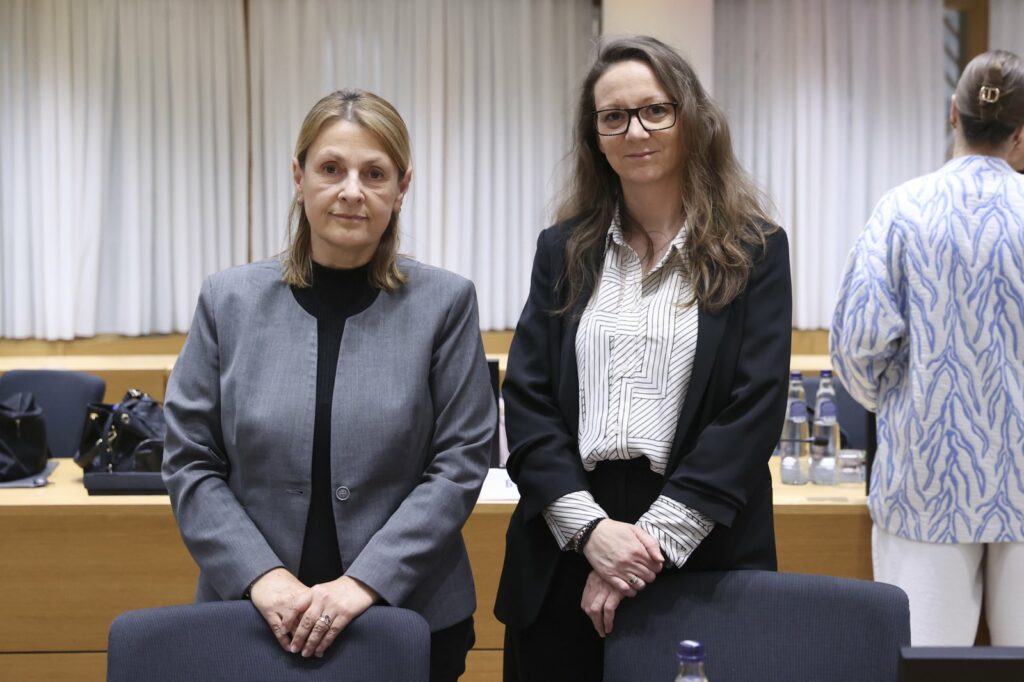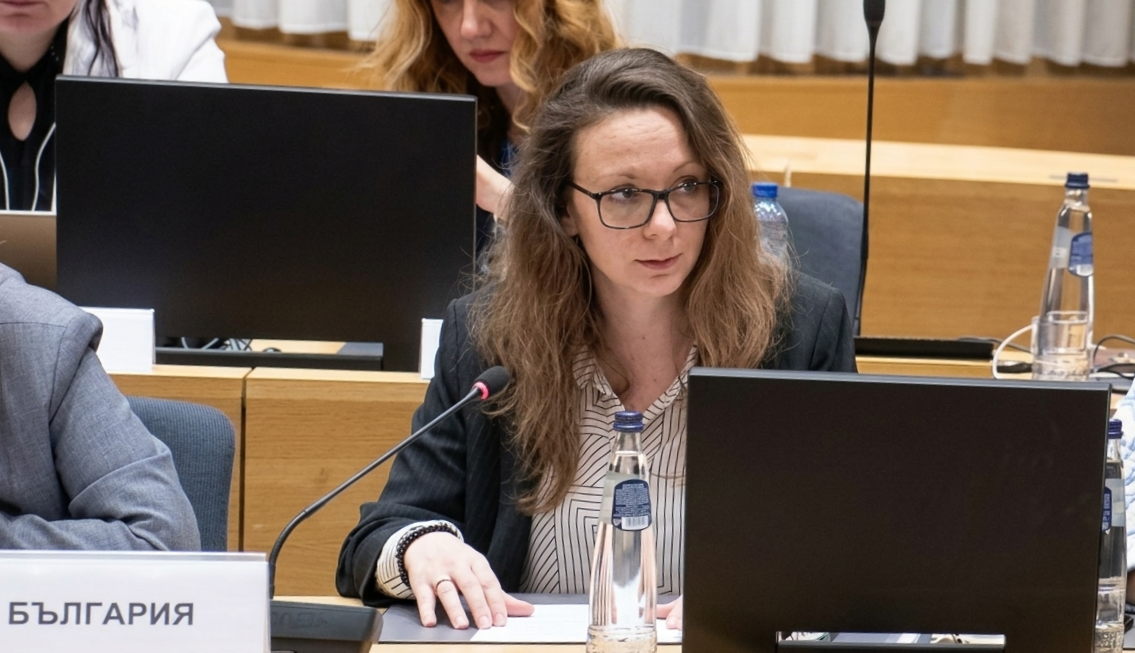
Effective participation by small and medium-sized enterprises, research organizations and startups from all member states in the value chains of European space programs is particularly important for Bulgaria, Deputy Innovation and Digital Transformation Minister Mira Yosifova said. She took part in the regular meeting of the EU Competitiveness Council in its space configuration in Brussels. The discussion focused on space for economic security.
Yosifova said a key priority for Bulgaria remains striking a legislative balance that supports simplification and avoids unnecessary administrative and regulatory burdens for European space companies. “To achieve this, the right balance must be struck between requirements for the sustainability and safety of space activities and infrastructure, on the one hand, and the need to support the competitiveness of the sector in the European Union, on the other,” she said.
To ensure long-term competitiveness and boost innovation capacity, the European Union must continue efforts to address vulnerabilities in critical components, raw materials and advanced materials, semiconductors, supply chains, launch capacity, cybersecurity and market fragmentation. “The European space programs Galileo, the European Geostationary Navigation Overlay Service (EGNOS), Copernicus, Governmental Satellite Communications (GOVSATCOM), and Infrastructure for Resilience, Interconnectivity and Security by Satellite (IRIS²) are strategic assets that should be effectively developed and upgraded to achieve technological leadership,” Yosifova said.
At the Council meeting, ministers responsible for the sector’s competitiveness also adopted the Cypriot Presidency’s progress report on the Regulation on the Safety, Resilience and Sustainability of Space Activities in the Union (EU Space Act).